


Here’s something we all experience but rarely talk about honestly: aging skin doesn’t follow a rulebook. Sure, the changes happen gradually, those fine lines around your eyes, the dryness that seems to appear out of nowhere, the spots that weren’t there last year. What makes the difference isn’t fighting these changes, but understanding them and responding thoughtfully. Your skin’s needs shift as you age, and what worked beautifully in your twenties might not cut it anymore.
Table of Contents
Understanding Age-Related Skin Changes
Let’s get real about what’s actually happening beneath the surface as birthdays add up. After your mid-twenties, collagen and elastin, those proteins that keep everything firm and bouncy, start declining at a steady pace. This isn’t dramatic at first, but over years, it translates to skin that doesn’t snap back quite as quickly and wrinkles that settle in for good. Moisture retention takes a hit too, which explains why that tight, uncomfortable feeling becomes more familiar.
Developing an Effective Daily Skincare Routine
Consistency beats complexity every single time when it comes to skincare routines. Start with gentle cleansing morning and night, nothing harsh that strips your skin bare, just something that removes the day’s buildup without leaving your face feeling desert-dry. Morning routines benefit enormously from an antioxidant serum that acts like an invisible shield against pollution, UV damage, and all those environmental stressors constantly bombarding your skin. Follow that with a moisturizer while your skin’s still slightly damp, which helps lock in hydration when your skin needs it most.
The Critical Role of Sun Protection
If there’s one thing dermatologists universally agree on, it’s this: sunscreen isn’t optional. UV radiation doesn’t just cause sunburns, it’s responsible for roughly ninety percent of the visible aging we see in mirrors and photographs. Broad-spectrum SPF 30 (minimum) should go on every morning, rain or shine, winter or summer, working from home or heading to the beach. Here’s the catch most people miss: you’re probably not applying nearly enough, and you’re definitely not reapplying throughout the day when you need continuous protection.
Nutrition and Hydration for Skin Health
What’s on your plate shows up on your face, it’s that straightforward. Drinking enough water throughout the day keeps your skin plump from the inside out, supporting that healthy glow that no highlighter can quite replicate. Loading up on antioxidant-rich foods like blueberries, spinach, and almonds gives your body ammunition against the oxidative stress that ages skin prematurely. Omega-3s from salmon, chia seeds, and walnuts strengthen your skin’s natural barrier, helping it hold onto precious moisture instead of letting it evaporate.
Professional Treatments and Advanced Skincare
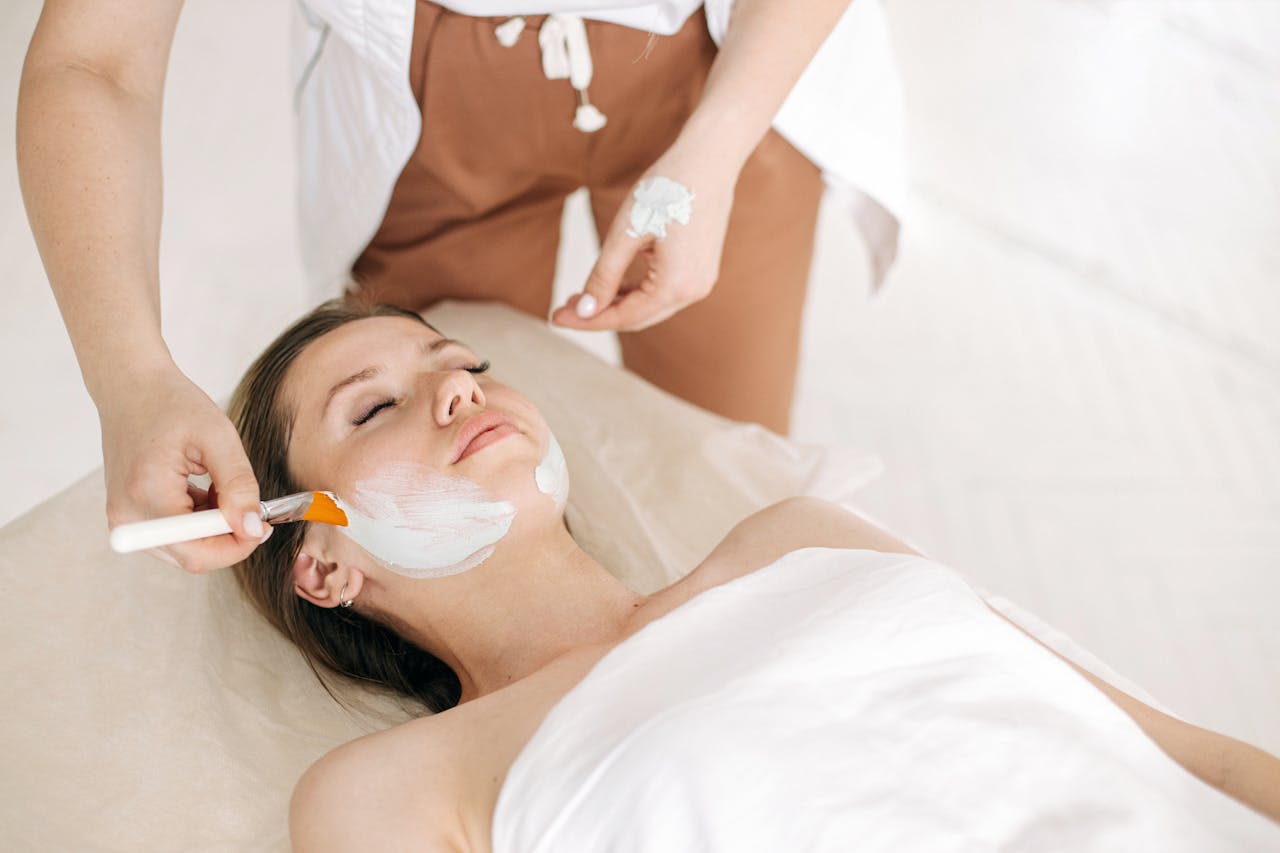
Sometimes your bathroom cabinet can only take you so far, and that’s where professional treatments enter the picture. Regular facials with a skilled esthetician provide deep cleaning and customized treatments that adapt as your skin’s needs evolve. Chemical peels might sound intimidating, but they’re remarkably effective at speeding up cell turnover and improving texture, tone, and those stubborn fine lines. Microneedling creates controlled micro-injuries that trick your skin into ramping up collagen production, addressing everything from firmness to texture to lingering acne scars. For those seeking to address deeper tissue concerns while supporting overall wellness, treatments like Emsella help strengthen pelvic floor muscles, which can indirectly support confidence and body wellness as part of a holistic approach to aging gracefully.
Lifestyle Factors That Impact Skin Aging
Your skincare routine matters, but honestly, what you do with the other twenty-three hours of the day matters just as much. Sleep isn’t just rest, it’s when your skin does its heavy-lifting repair work, with growth hormones peaking during those deep sleep stages. Stress management isn’t some wellness buzzword; chronic stress pumps out cortisol that triggers inflammation and literally ages your skin faster. Regular exercise isn’t just good for your body, it boosts circulation, delivering oxygen and nutrients to your skin while flushing out toxins that contribute to that lackluster appearance.
Conclusion
Caring for aging skin isn’t about fighting nature or chasing impossible standards, it’s about understanding what your skin needs and consistently showing up for it. Combine thoughtful daily habits with solid sun protection, nourishing nutrition, and lifestyle choices that support rather than sabotage your efforts. Patience is your friend here, because skin cell turnover and collagen production happen on their own timeline, not yours. Professional guidance from dermatologists or experienced skincare specialists cuts through the marketing noise and helps you invest wisely in what actually works for your specific concerns.
