


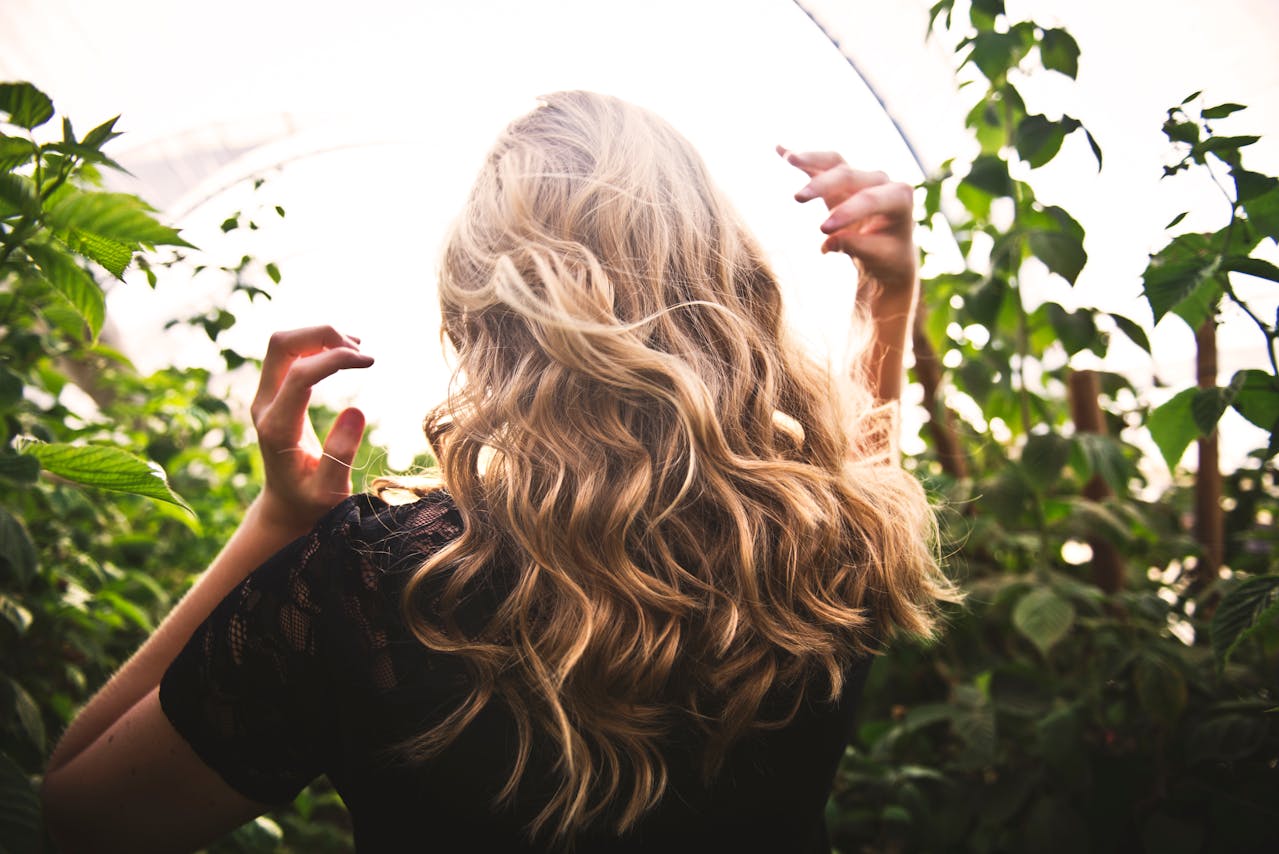
The selection of the appropriate clip-in extensions can entirely change a look- but only when the color is perfect with natural hair. An imperfect match fosters an illusion of fuller, longer, and glossy hair with no contrast apparent. However, discovering that perfect shade is not as easy as twining two strands. The appearance of the color may be affected by lighting, undertones, and even the state of the hair. The ability to distinguish and choose the appropriate tone will help make clip-ins appear organically, as opposed to a mixture of things or otherwise unnatural.
Table of Contents
Understanding Undertones: The Hidden Key to Color Matching
In choosing extensions, it is usually more important than the overall color family to look at the undertones. Two individuals with light brown hair may have an entirely different under toning, leaving one a match and the other askew. To identify undertones, it is better to view hair in natural daylight, but not in indoor light, which distorts the real shade. After finding one, select clip-ins of the same undertone family–this easy measure can be the difference between a natural finish and an artificial one.
Comparing in Natural Light for an Accurate Match
Even artificial lights are known to either amplify or dampen some colors, and so hair might look warmer and colder than it really is. This is the reason why color comparison must always be conducted during natural daylight. Being close to a window or going outside will present a more realistic image of the way the shade really appears.
To ensure it is clear, it is only necessary to press the extensions on the middle portion of the hair and not on the roots. The roots are sometimes a little darker because of little exposure to the sun or natural growth, and the mid-lengths give the real picture of what one is. The matching in the middle part enables the extensions to match well throughout, even during hair movements.
Blending Techniques That Perfect the Look
Blending is also vital in the creation of realism, although a near-perfect shade can be used. Once the extensions have been clipped in, soften them by combing or finger-blending them to blend with the natural hair. Texturing can be used in conjunction with styling to unite the textures and reduce noticeable contrasts. This is also achieved by layers, which help in the process of establishing a one-unit appearance; cutting extensions a bit at the ends can help resemble the natural tapering of actual hair.
Finding the Right Texture
High quality long hair extensions would reflect light in a similar way to natural hair, as well as contribute to the uniformity of the shades. Even a perfect color match can be unnatural, with low-grade synthetic versions being either too shiny or dull and matte. Better blending and longevity are guaranteed by investing in quality.
Looking at Multi-Tonal and Highlighted Opportunities
It is not very common to have real hair that is a single flat color. Highlights, lowlights, and sunlit streaks are provided by nature and provide depth and dimension. That natural variation can be imitated by selecting extensions that use multi-tonal strands or other undertones. These shade fusions of clip-ins are better adjusted to slightly varied colors, particularly when hair reflects light.
Balayage and extensions in ombre are good options when one has their natural blended colors or color-treated hair. They enable smoother changes between colors without the need to have an absolute 1:1 match. An example would be the person who has darker roots and lighter ends, and ombre clip-ins would help to keep the gradient look perfect because of the seamlessness of the entire effect.
Seeking Professional Guidance for Complex Shades
Some are difficult to match, like red, ash blonde, or cool black, because the subtle differences of undertones are evident. In this regard, it is possible to make it easier by consulting a professional stylist. Most salons also provide color-matching services or even have the option of custom-dyeing the extensions to fit exactly with the hair tone perfectly.
Conclusion
The art and science of matching natural hair with clip-in extensions is very delicate. Attention to details of undertones, light situations, and texture can make an otherwise simple mix of a perfect transformation. Once the color, luster, and motion have been harmonized, the extensions become part of the natural flow of the hair, bringing a look that one can only say is entirely personalized.
