


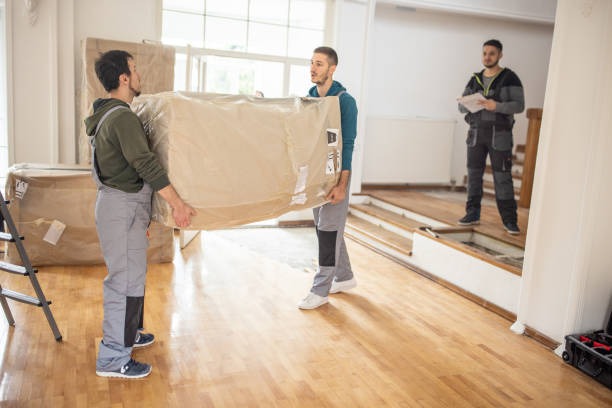
Sending large furniture frequently sounds like a bit of a battle. Many people are concerned about the concept of moving items so big, heavy, and expensive. The procedure might be both safe and simple if one has some knowledge, excellent equipment, and careful preparation. Knowing the fundamentals of large furniture movement will save you money, energy, and time whether you are delivering bought goods to a consumer, moving homes, or delivering a valued antique to a friend.
Table of Contents
Prepare yourself by thinking ahead
Any successful furniture move depends on preparation. Beginning with an evaluation of the objects or things you want to deliver. Record the weight and measurements of every bit of fragile materials—including glass panels or fine carvings. Gather furniture images for references and insurance reasons before sending. Should you have to file a claim for damage sustained during transit, this information will prove to be really beneficial.
After that, as far as you can, disassemble the furniture. Remove table legs, unfasten couch cushions, and dresser drawers. This helps guard sensitive components from damage as well as makes the furniture easier and more secure to move. Keep screws, bolts, and other little hardware in a sealed plastic bag; label it precisely and strongly secure it to the appropriate furniture.
Use the right packing materials
Sending heavy furniture calls for great care given to appropriate packaging supplies. Good furniture pads or moving blankets provide cushioning to absorb shocks, hence prevent scratches. Use bubble wrap to further safeguard fragile edges and components. Secure everything with packing tape, but refrain from tape directly on wood or upholstery to avoid harm or debris.
Wrap goods with glass parts, like cabinet doors or table tops, separately in several layers of foam or bubble wrap. Clearly mark these items Fragile so that handlers treat them with extra attention. Build a strong crate for particularly fragile or costly items using custom-sized boxes if you are able.
Choose the Right Shipping Method
Choosing the right shipping option is just as crucial as packing. Working with a professional furniture shipping business is usually the best option for long-distance moves or cross-country deliveries. Many well-known Furniture Shipping Companies Illinois specialize in moving large, delicate goods and have the gear and knowledge required to safely transport large furniture.
You could think about hiring a moving truck or car if you plan to relocate inside the same city or surrounding. But this option usually demands more physical activity from you; you will also have to have the proper equipment—dollies, moving straps, and protective padding—to manage the furnishings safely.
White glove delivery options should be examined for very priceless or historic items. Along with transportation, these solutions include packing, loading, unpacking, and occasionally on-site installation. Though more pricey, white glove treatments give your furniture the most security and quiet.
Ensure your shipment
Accidents can happen on the road regardless of how carefully you drive. Buying shipping insurance could protect your investment. Even if many moving companies provide coverage choices, always carefully read the terms to see what is and is not covered. For premium goods, it could be wise to buy more insurance from a thirdparty provider.
Clearly define and abide by distribution
Once your furniture begins to move, stay in touch with your carrier. Have clear shipping instructions as well as tracking details. To supervise the transfer of your goods, be at both the dropoff and pickup places if at all possible.
Totaling
Not particularly difficult is sending of large pieces of furniture. Forethinking, careful packaging, selecting the right shipping method, and insuring your package contribute to the process being easy and secure. These actions will guarantee that your favorite items reach their final location in great shape and are enjoyed for many years.
