


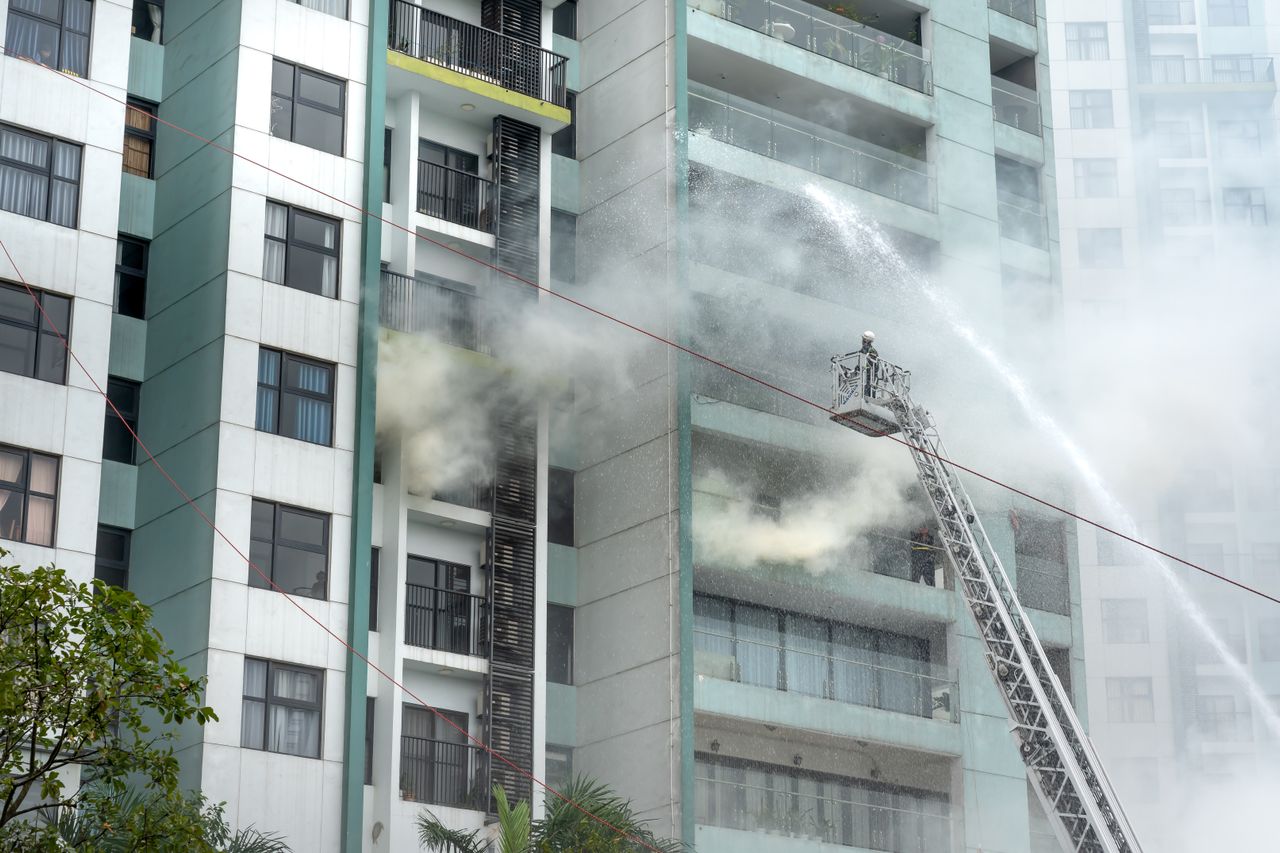
When a fire tears through a home, the visible flames are only part of the story. Soot — that black, powdery or oily residue left behind by incomplete combustion — doesn’t stay neatly contained to the burned area. It travels through air ducts, settles across surfaces, and works its way into walls, ceilings, and personal belongings throughout the entire structure. Understanding what soot actually is and how it behaves is the first step toward recognizing why its effects can be just as devastating as the fire itself.
Table of Contents
How Soot Penetrates and Damages Surfaces
Soot particles are remarkably fine, often measuring just a few microns in diameter, which lets them slip into porous materials with unsettling ease. Wood, drywall, insulation, fabric, and upholstery can all absorb soot rapidly, making superficial cleaning efforts largely ineffective. When soot sits undisturbed on a surface for any significant length of time, it begins to chemically bond with the material beneath it — causing permanent staining and discoloration that no amount of wiping will fix. Metals face a particularly harsh fate, since the acidic compounds within soot can trigger corrosion and rust on appliances, pipes, and fixtures within just hours of exposure. The longer soot goes untreated, the deeper it embeds itself, and the more complicated and costly the restoration process becomes.
The Chemical Threat: Acidic Compounds and Toxic Residue
One of the most underestimated dangers of soot is what it’s actually made of. Soot carries a complex mixture of acids, chemicals, metals, dust, and carcinogens — byproducts of burning synthetic materials, plastics, and common household furnishings. Those acidic compounds lower the pH of any surface they land on, quietly accelerating material breakdown and corrosion over time. Painted walls can begin to yellow and peel, while metal surfaces may show rust spots within 24 to 48 hours of exposure. Prolonged contact with soot residue also poses real health risks, including respiratory problems, skin irritation, and long-term complications from inhaling toxic particles. Professional remediation isn’t just about restoring appearances — it’s about eliminating hidden chemical hazards, which is why homeowners assessing the full scope of soot contamination often turn to a San Antonio-based restoration company with the specialized expertise to identify and neutralize these toxic residues safely.
Structural Integrity Concerns Caused by Soot Exposure
Soot doesn’t just create cosmetic headaches — left unaddressed, it can quietly compromise a home’s structural integrity as well. Wooden beams and subfloors that absorb soot weaken over time as acidic residue gradually breaks down wood fibers from the inside out. Drywall contaminated by soot often needs full replacement rather than cleaning, since particles penetrate deep into the gypsum core and can’t simply be wiped away. HVAC systems present another serious concern — once soot enters ductwork, it gets redistributed throughout the entire home every time the system kicks on, spreading contamination to rooms that never saw a single flame. Electrical systems aren’t immune either, as soot buildup on wiring and components raises the risk of short circuits and even secondary fires down the line.
The Importance of Prompt Professional Restoration
Time is everything when it comes to soot damage. Within minutes of a fire being extinguished, soot begins settling and bonding to surfaces throughout the property. Within hours, discoloration on walls, ceilings, and countertops can become permanent. Professional restoration teams bring specialized tools to the job — HEPA vacuums, air scrubbers, and chemical solvents — that allow them to safely and thoroughly remove soot from all affected surfaces. Attempting a DIY cleanup without the right equipment can actually make things worse, spreading soot further and driving up restoration costs in the process. Homeowners dealing with fire damage should reach out to a qualified restoration professional as quickly as possible to limit secondary damage and start the recovery process on the right foot.
Conclusion
Soot is far more than a cosmetic nuisance left behind after a fire — it’s a persistent, chemically aggressive substance capable of causing widespread secondary damage to a home’s structure, systems, and contents. Its fine particles burrow deep into surfaces, its acidic compounds speed up material degradation, and its toxic makeup poses ongoing health risks long after the smoke clears. From corroding metal fixtures to compromising HVAC systems and weakening structural wood, the effects of soot can compound quickly without prompt action. Homeowners should never underestimate the quiet destruction that soot continues to cause well after the flames are gone. Engaging professional restoration services without delay is the most effective way to protect both the home and the health of its occupants — keeping manageable damage from escalating into something far more difficult to undo.
