


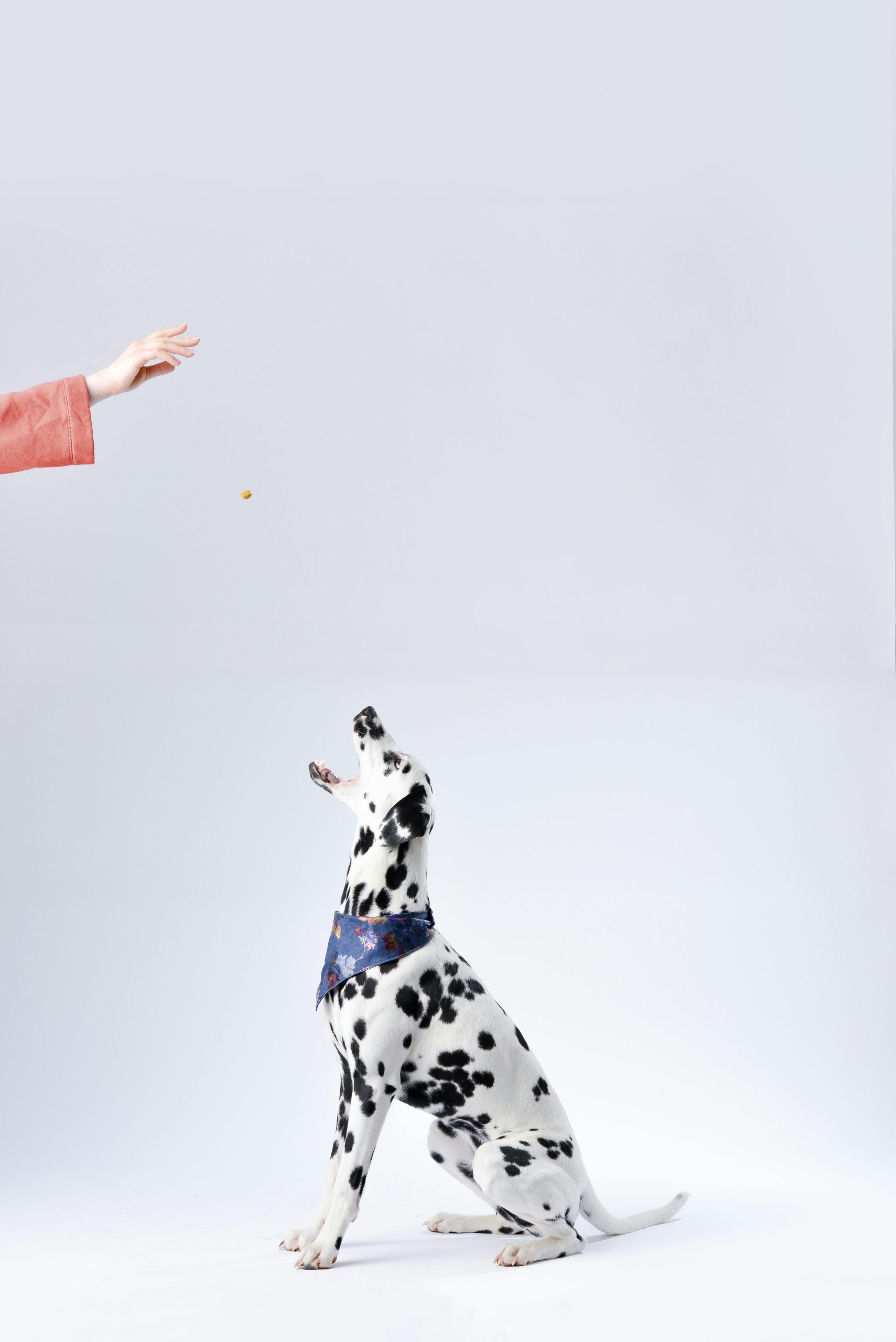
Teaching a dog to settle on command is one of the most valuable skills for both owners and pets. A well-trained dog that can relax when asked is easier to manage in busy environments, less likely to develop stress-related behaviors, and more enjoyable to live with. Whether at home, in public, or during travel, the ability to settle provides dogs with a sense of security and helps owners maintain control. Training this behavior requires patience, consistency, and positive reinforcement. Here are four effective ways to teach dogs to settle on command.
Table of Contents
Establish a Designated Resting Spot
One of the simplest methods to teach settling is to create a designated resting spot for your dog. This could be a mat, bed, or crate where the dog learns to associate calmness with the location. Begin by guiding your dog to the spot and rewarding them when they lie down or remain there quietly. Over time, introduce a verbal cue such as “settle” or “relax” while they are in the spot. Consistency is key use the same location and cue until your dog understands the connection. This technique not only teaches settling but also provides a safe space where your dog can retreat when feeling overwhelmed.
Use Positive Reinforcement and Timing
Positive reinforcement is essential in teaching dogs any new behavior, and settling is no exception. Rewarding calm behavior with treats, praise, or gentle petting encourages dogs to repeat the action. Timing is critical; rewards should be given immediately when the dog demonstrates calmness, such as lying down or sighing contentedly. Avoid reinforcing restless or anxious behavior, as this can confuse the dog. Over time, gradually increase the duration before offering rewards, teaching the dog to remain settled for longer periods. This approach builds patience and reinforces the idea that calmness leads to positive outcomes.
Incorporate Structured Training Sessions
Structured training sessions provide opportunities to practice settling in controlled environments. Begin in a quiet space with minimal distractions, then gradually introduce more challenging settings such as busy households or outdoor areas. Use short sessions to prevent frustration and keep the dog engaged. Incorporating commands like “sit” or “down” before introducing “settle” can help transition the dog into a relaxed state. For owners seeking professional guidance, working with experts who offer reputable dog training in New Braunfels can provide tailored strategies and support. Professional trainers often combine structured exercises with real-world scenarios, ensuring that dogs learn to settle reliably in diverse environments.
Teach Relaxation Through Routine and Consistency
Dogs thrive on routine, and incorporating settling into daily activities reinforces the behavior. For example, asking your dog to settle before mealtime, during family gatherings, or while guests arrive helps them understand when calmness is expected. Consistency in cues and expectations ensures that the dog learns to generalize the behavior across different situations. Owners should remain patient, as some dogs may take longer to adapt depending on their temperament and energy levels. Over time, consistent practice builds confidence and helps dogs view settling as a natural part of their routine.
Conclusion
Teaching dogs to settle on command is a valuable skill that enhances harmony in the household and strengthens the bond between pets and owners. By establishing a designated resting spot, using positive reinforcement, incorporating structured training sessions, and reinforcing relaxation through routine, owners can help their dogs develop calmness and self-control. With patience and consistency, settling becomes a reliable behavior that benefits both the dog and the family, ensuring a more peaceful and enjoyable environment.
