


Every moment away from the office carries a price tag — in money, in focus, in momentum. Business travel is brutal on your schedule if you let it be. Conferences, client meetings, branch visits — they all eat time you can’t recover. But how you structure the journey? That part is yours to control. The five approaches below cut wasted hours and keep the stress from piling up.
Table of Contents
1. Plan Your Itinerary with Strategic Clustering
Randomly scattered appointments are a trap. You’ll spend half the trip in transit, watching neighborhoods blur past a cab window. Before you book a single flight, map every meeting, site visit, and event geographically. Which venues sit close together? Put those back-to-back. Simple move — but it can shave hours off a multi-day trip and kills the mental fatigue that comes from bouncing across town all day.
Clustering also simplifies lodging. One central hotel. Short rides. Done. Picture a three-day conference where you also need to see three local clients. Compress those client visits into one day — either before the conference kicks off or right after it wraps. That’s potentially two fewer nights away from home. Less luggage, too. Fewer moving pieces means the inevitable small delays stay small, instead of cascading into something ugly.
2. Use Technology to Streamline Communication
Being on the road doesn’t mean going dark. Before you leave, charge every device and confirm that your communication tools actually work — video conferencing, messaging apps, shared calendars, all of it. Poor communication during travel creates confusion back at the office. Stuff piles up. You return to a mess that didn’t have to happen.
Set expectations with your team before departure. Share your schedule, your time zones, and how to reach you during working hours. Cloud-based document tools let multiple people edit the same file simultaneously across different time zones — no more emailing attachments back and forth or lugging physical folders. Project management apps keep deadlines visible to everyone. Set this up before you leave, not mid-trip.
3. Optimize Your Travel Day Itself
Travel day sets the tone. Mess it up and the next 48 hours pay for it. Direct flights cost more — book them anyway. Layovers burn time that money genuinely cannot buy back. Pack meeting essentials in a carry-on and check anything heavier. Moving fast through airports matters more than most people admit when minutes are tight.
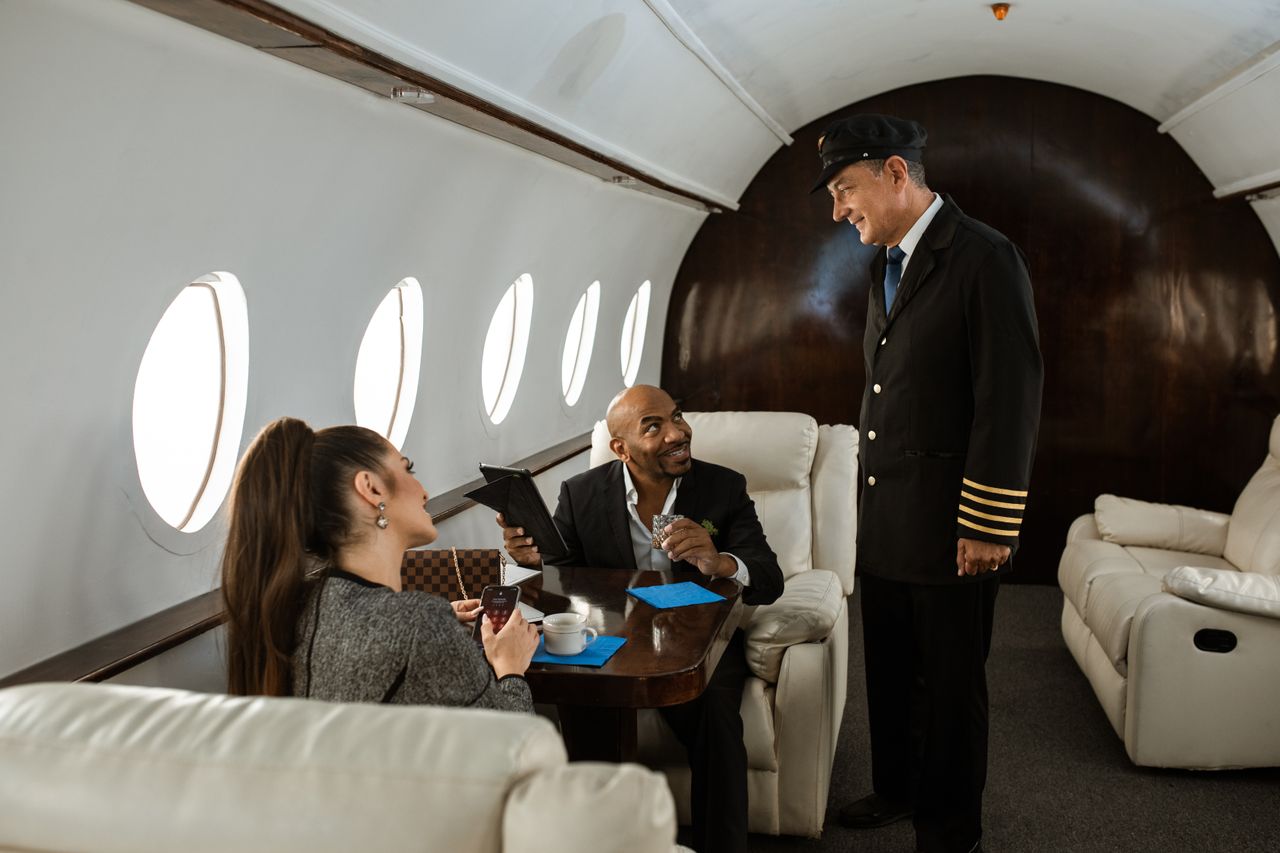
Don’t write off flight time as dead air. Long flights are surprisingly good for deep-focus work — drafting slide decks, reviewing meeting notes, writing emails you’ve been putting off. For executives juggling tight multi-city schedules, booking a private plane enables precise departure timing that eliminates the layovers and gate delays that drain productivity on critical travel days. Shorter legs? Knock out admin tasks, scan background info on the people you’re about to meet, or handle lower-priority messages. Nothing wasted.
4. Prepare Materials and Documents in Advance
Walking into a meeting without your materials is a credibility hit you don’t recover from easily. Finish every presentation, document, and digital file at least two days before departure. Have someone else review them — fresh eyes catch things you’ve stopped seeing. Upload everything to cloud storage so any device can pull it up. Print backups anyway. Technology fails at the worst moments.
Build a physical checklist for each meeting. Organize folders by date or client name so you’re not shuffling through a stack of papers mid-conversation. Five clients? Five folders — each one holding their files, past correspondence, and anything you plan to share. Test your tech before leaving home: projector cables, video conferencing links, any specialized software. Discovering a broken connection in a conference room is a miserable experience that’s entirely avoidable.
5. Build in Buffer Time for the Unexpected
Flights get delayed. Meetings run long. Someone changes the venue at the last minute. Build at least thirty minutes of unscheduled time between major commitments — not laziness. Insurance. That gap absorbs the unexpected without blowing up your entire day. It also gives your brain a moment to shift gears between clients rather than sprinting from one high-stakes conversation directly into another.
Use buffer time practically, too. Navigation apps lie. Walking from your hotel to a venue often takes longer than the estimate suggests — especially in unfamiliar neighborhoods with bags in tow. Got a 9 AM and an 11 AM meeting across town? Keep 10 AM open. Don’t fill it. One delay can cascade into missed appointments all day; a single open hour would’ve stopped that cold.
Conclusion
Efficient business travel isn’t luck. It’s deliberate. Geographic clustering, smart communication setups, optimized travel days, prepared materials, and honest buffer time — these five things work together. They turn a grueling obligation into something that actually produces results. Apply them consistently and you’ll come home with real outcomes instead of just exhaustion.
Read more : How to Make This Years Business Party Worth Remembering
