


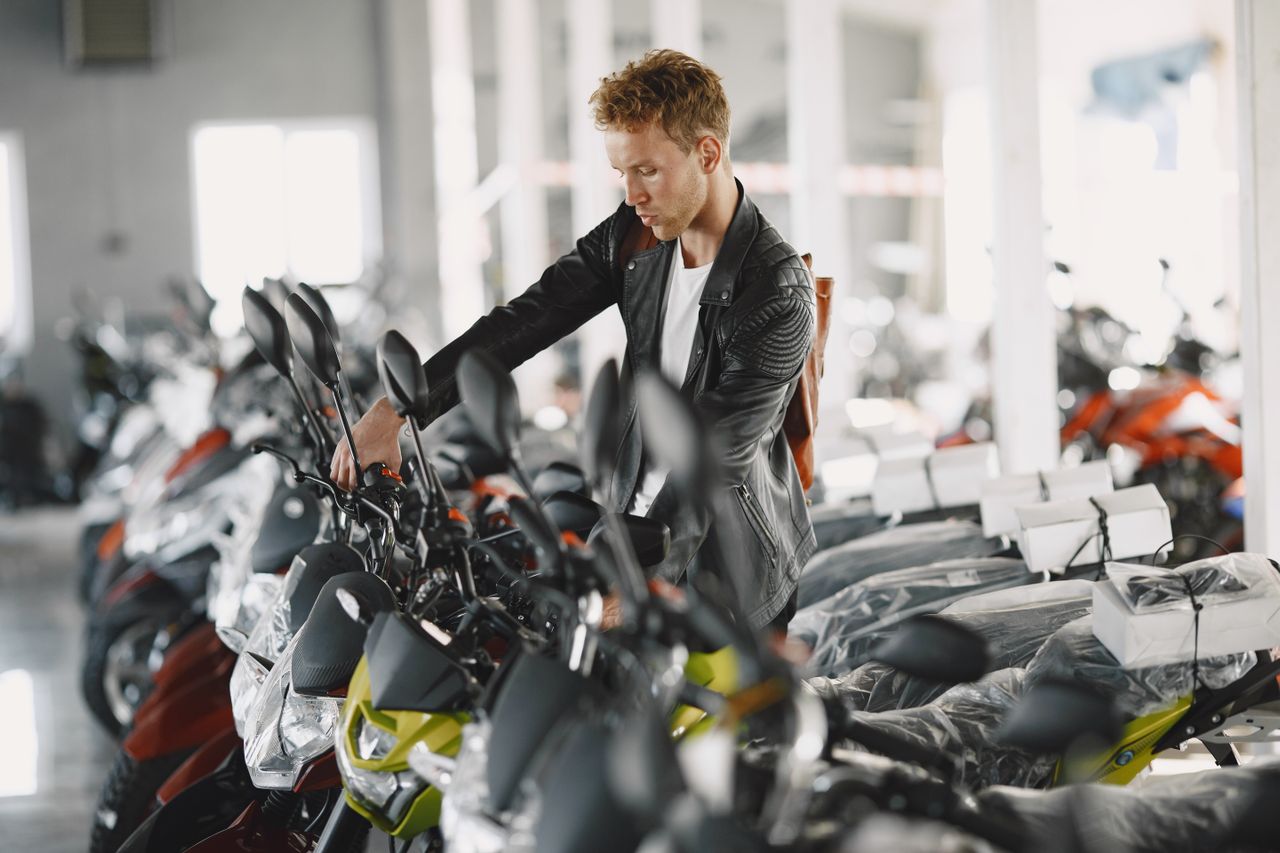
Why do people buy motorcycles when cars exist? It’s rarely one thing. Most riders land on two wheels through some mix of practicality, personality, and a pull they can’t fully explain. Either way, it’s real money — and the wrong choice stings. Your lifestyle, your skill level, your actual riding plans — all of it matters here. Get clear on these things upfront, and you’ll end up with a bike that fits. Rush past them, and you’ll be browsing listings again in six months.
Table of Contents
1. Your Riding Experience and Skill Level
Honestly, this is where a lot of buyers go wrong. They buy with their ego instead of their logbook. Beginners do better on lighter machines — lower seat heights, predictable handling, power that doesn’t punish a split-second mistake. That kind of bike builds confidence. Fast. An overpowered machine, on the other hand, demands control you haven’t developed yet. Experienced riders can reasonably chase higher performance, specialized geometry, advanced features. But even seasoned riders should be honest about gaps. Starting at the right level also just makes financial sense — trading up as skills grow beats wrestling a bike you can’t yet manage.
2. Engine Size and Power Output
Displacement shapes everything: feel, fuel costs, price tag, and whether you arrive relaxed or wrung out. Under 500cc handles commuting and casual rides without drama — decent economy, lower sticker price. Mid-range engines, say 500cc to 750cc, open up highway riding and real acceleration without turning every trip into a white-knuckle event. Above 750cc? Serious power. But it burns more fuel, costs more to insure, and demands genuine skill to manage responsibly. So think about your actual roads. Do you need that performance, or does a smaller displacement just work better for how you ride day-to-day?
3. Riding Style and Intended Use
Different bikes solve different problems. Cruisers prioritize relaxed positioning and steady pacing — they’re built for long afternoon rides, not chasing lap times. Sport bikes flip that entirely: aggressive geometry, high output, made for riders who want dynamic performance above comfort. Touring bikes carry luggage, hold fuel for long hauls, and keep you comfortable across hundreds of miles. Dual-sports split the difference between pavement and dirt, which suits riders who want genuine versatility.
Riders leaning toward cruisers — especially those drawn to American-made styling — often browse a new Harley motorcycle to find something that matches both their riding posture and long-distance comfort needs. Naked bikes, sometimes called street bikes, skip the specialization entirely and just handle general riding well. The point is simple: figure out whether you’re commuting, touring, tracking, or trail-riding before you fall in love with a model that’s wrong for all of it.
4. Comfort, Ergonomics, and Fit
A bike that pinches after twenty minutes will be torture at two hundred miles. Seat height matters — can you reach the ground at a stop without tipping? For shorter riders especially, that’s not a minor detail. Handlebar position shifts how your wrists and shoulders bear weight. Too far forward, and long rides grind you down. Footpeg placement changes where your knees and hips sit for hours at a stretch. These things compound. Specifications won’t tell you any of this. Sitting on the bike will. Better yet, get an extended test ride — because what fits one rider perfectly feels awkward on another. There’s no substitute for actually trying it.
5. Budget and Total Cost of Ownership
The sticker price is just the opening act. Insurance varies wildly depending on the bike’s type, value, and your history — get quotes before you commit, not after. Maintenance costs split along brand lines; some manufacturers keep parts cheap and service accessible, others don’t. Fuel economy differs dramatically between models. Tires, oil, routine service — none of that folds into the purchase price. Then there’s financing, depreciation, and eventual resale value to think through. Build a real budget. One that includes insurance, upkeep, and fuel. Motorcycle ownership should feel sustainable, not like a monthly argument with your bank account.
Conclusion
No single factor decides this. It’s the overlap — experience, power, riding purpose, physical fit, and honest budgeting — that points to the right machine. Research helps. So does sitting on multiple models, reading owner reviews, and renting a few bikes before committing. Rushing this process tends to produce regret. Taking it seriously tends to produce a bike you actually enjoy riding for years. These five factors aren’t a checklist so much as a framework — one that, used well, keeps you on two wheels instead of back at the dealership.
Read more : Experience Dubai’s Roads in Style With Premium Vehicles From Land Cruisers to Luxury Toyota Options
