


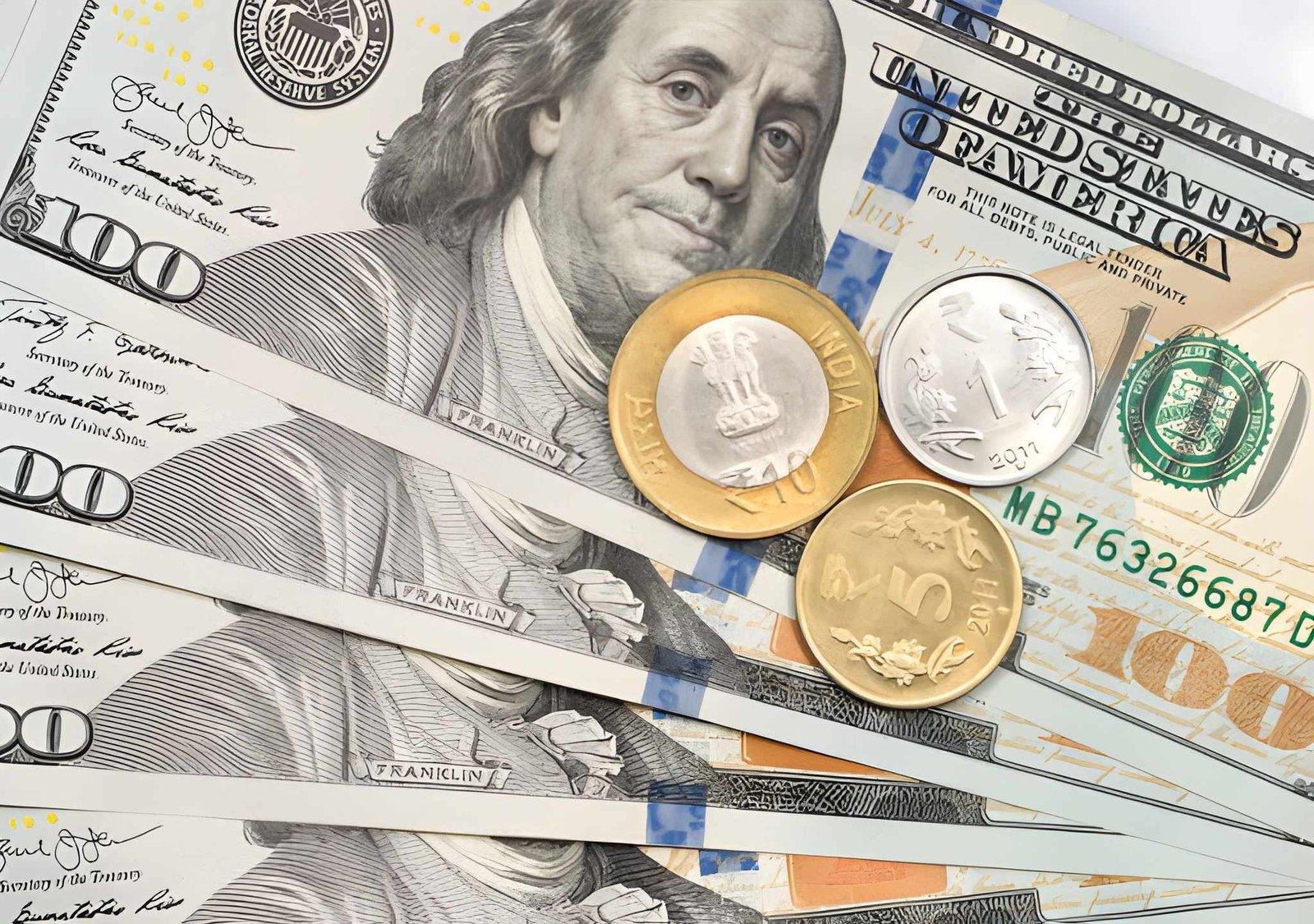
The US dollar is one of the world’s most traded currencies and serves as the primary medium for international transactions across borders. Indians regularly purchase USD for overseas travel, higher education abroad, business payments, and international investments. The exchange rate between the rupee and the dollar has changed dramatically since India gained independence in 1947.
Once you understand this journey, it helps put the US dollar rate today into perspective. When you check current exchange rates before buying foreign currency, you are observing the outcome of decades of economic policy, trade dynamics, and global financial shifts. This historical context provides clarity on why exchange rates move and what they mean for your travel or education budget.
Table of Contents
Was 1 USD Equal to 1 INR in 1947? Separating Fact from Fiction
A popular misconception suggests that 1 USD to INR in 1947 was equal or nearly equal. This claim oversimplifies the monetary framework that existed after independence. India operated under a fixed exchange rate system linked to the British pound, and the rupee’s value against the dollar was derived through that relationship.
Direct INR-USD comparison in 1947 is misunderstood because the currency regime was fundamentally different from today’s floating exchange rate system. Historical estimates place the exchange rate around ₹3.30 to ₹4.76 per USD, depending on the methodology used and the specific point in time being referenced.
The Rupee vs Dollar Journey: Key Milestones Since 1947
The rupee’s movement against the dollar reflects changes in India’s economy, trade balance, inflation trends, and currency policies over seven decades. Each phase of depreciation or stability corresponds to broader economic shifts within India and globally.
| Period | Approx. USD/INR Trend | Major Development |
|---|---|---|
| 1947–1966 | ₹3 – ₹5 | Fixed exchange regime |
| 1966 | ₹7+ | Major devaluation |
| 1970s | Gradual weakening | Global economic shifts |
| 1991 | ₹17 – ₹25 | Economic reforms |
| 2000s | ₹40 – ₹50 | Liberalisation era |
| 2010s | ₹60 – ₹75 | Global capital flows |
| 2020s | ₹75 – ₹96 | Inflation and global uncertainties |
Major Events That Changed the Value of the Rupee
Exchange rates rarely move because of one event alone. Currency values respond to a combination of domestic policy decisions, global economic conditions, and market sentiment over time.
- 1966 currency devaluation: India officially devalued the rupee to improve export competitiveness and address balance of payments pressures.
- Oil price shocks of the 1970s: Rising crude oil prices increased import costs and created greater demand for foreign currency.
- Economic liberalisation in 1991: Reforms opened India’s economy to global markets and gradually shifted exchange rate management toward market forces.
- Global financial crises: Events such as the 2008 financial crisis triggered capital outflows and currency volatility across emerging markets.
- Rising imports and trade deficits: Growing demand for imported goods increased the need for dollars and put pressure on the rupee.
- Inflation differentials between countries: Higher inflation in India compared with major economies contributed to gradual currency depreciation over time.
Why Has the Rupee Weakened Against the Dollar?
Long-term currency depreciation reflects broader economic realities rather than policy failure alone. The rupee’s weakening against the dollar over 7 decades is the result of structural factors that influence currency values globally.
- Inflation over decades: India has experienced higher inflation rates than the United States, which has reduced the rupee’s real value over time.
- Higher demand for USD globally: The dollar’s status as the global reserve currency creates sustained demand that supports its strength.
- Import dependence: India’s reliance on imported oil, electronics, and machinery generates continuous demand for foreign currency.
- Capital market movements: Foreign investors move capital in and out of India based on global risk sentiment.
- Interest rate differences: Variations in interest rates between India and the United States influence capital flows and currency valuation.
What does the US Dollar Rate Today Mean for Indian Travellers and Students?
The US dollar rate today directly affects how much you pay for expenses abroad. Let’s understand it in detail:
- International travel budgets: A stronger dollar means you receive fewer dollars for each rupee exchanged. This increases the cost of your trip.
- Overseas education expenses: Tuition fees, accommodation, and living costs denominated in USD become more expensive when the rupee weakens.
- Hotel and flight bookings: International bookings priced in dollars reflect current exchange rates and can vary significantly over weeks or months.
- Visa and insurance payments: Application fees and insurance premiums charged in USD fluctuate with exchange rate movements.
- Business travel costs: Corporate travellers face higher expenses when the rupee depreciates.
Buying USD Today: What Influences the Exchange Rate You Receive
The market exchange rate visible on financial news platforms is only one part of the final price you pay when buying foreign currency. Several factors determine the rate offered by authorised forex providers.
- Live currency market movements
- Provider margins
- Demand for USD
- Mode of purchase
- Timing of purchase
- Service charges
What to Consider Before You Buy USD?
Here are a few things to consider before you buy USD:
- Compare rates from authorised providers
- Estimate your currency requirement
- Consider a mix of forex cash and a forex card
- Avoid last-minute airport purchases where possible
- Check documentation requirements
- Monitor exchange rate trends before travel
Conclusion
The rupee’s journey from roughly ₹3.30 per dollar in 1947 to current levels around ₹93–₹95 reflects decades of economic change, policy reforms, and global financial integration. While the historical context of 1 USD to INR in 1947 provides perspective, today’s travellers and students should focus on planning currency purchases wisely rather than comparing present rates with the distant past.
Track the US dollar rate today before you make forex transactions and choose regulated forex providers that offer transparency, compliance, and competitive rates. Informed planning helps you manage travel and education expenses more effectively in a dynamic currency market.
