


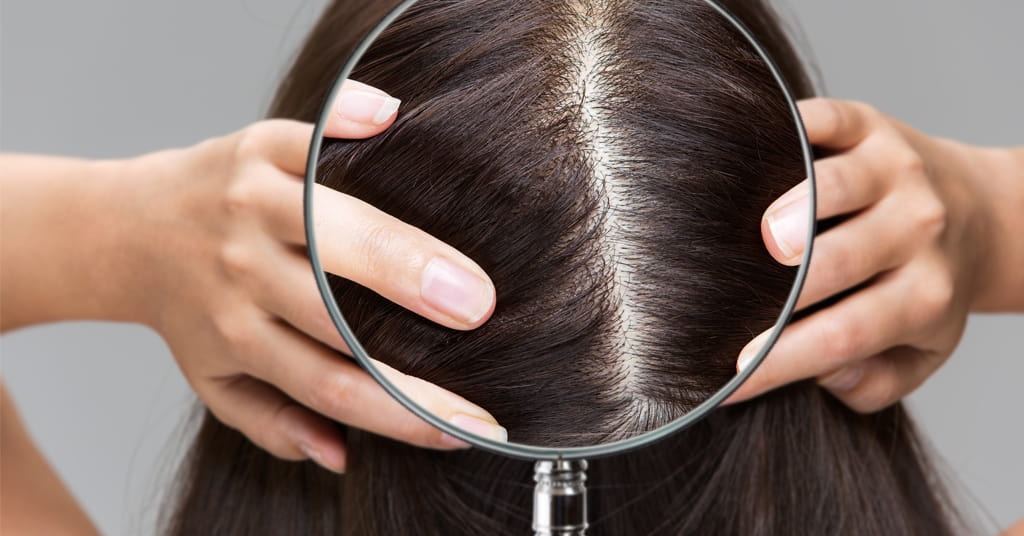
For most of the last fifty years, scalp care lived in one place: the medicated shampoo aisle, sold in plastic bottles with hard-edged claims, dominated by zinc pyrithione and ketoconazole formulations. The category did its job, the products worked for many users, and most consumers accepted that scalp care meant a medicated shampoo and not much else.
That has changed substantially. The skincare-fication of haircare has reached the scalp, and the resulting category — scalp wellness — is now a substantial slice of the personal care market globally. The shift is not just marketing. The clinical understanding of seborrheic dermatitis, oil overproduction, and the scalp microbiome has advanced significantly.
Table of Contents
What’s actually happening on an oily scalp
Sebum production on the scalp varies between individuals and is influenced by genetics, hormones, diet, and the microbial composition of the scalp skin. Excessive sebum production produces the lank-hair-by-evening pattern, contributes to the oily-roots-with-dry-ends condition that frustrates many users, and provides the substrate for Malassezia yeast metabolism that drives much chronic dandruff.
The U.S. National Institutes of Health and peer-reviewed work indexed on the U.S. National Library of Medicine have characterised these mechanisms in detail.
What modern oil-control treatment looks like
A modern oily scalp treatment set typically combines three coordinated steps. A clarifying or oil-balancing cleanser that removes accumulated sebum and product residue without overstripping. A leave-on serum or treatment that delivers active ingredients with longer scalp contact time than a wash format allows. A daily-use product that maintains the cleansed state between treatment cycles.
The active ingredient mix has expanded significantly beyond the traditional medicated-shampoo profile. Salicylic acid for keratinolytic action, niacinamide for sebum modulation and barrier support, zinc-based actives for antimicrobial and oil-balancing effect, and various peptide and botanical actives for adjunctive support all appear in modern formulations.
How users integrate it
The application pattern that works for most users is a treatment cycle of two to four weeks during which the full set is used as directed, followed by maintenance use of the daily product.
Visible results typically appear over two to four weeks for symptomatic improvement. Long-term scalp wellness benefits accumulate over months.
Pairing the treatment with reasonable adjunct habits — washing every other day rather than daily, avoiding fragrance-heavy styling products on the scalp, and managing diet patterns that exacerbate inflammation — supports the visible outcome.
When to see a clinician
Persistent flaking, scalp redness extending beyond mild irritation, scalp pain, hair loss, or any unusual skin lesion warrants a dermatologist visit. Seborrheic dermatitis, scalp psoriasis, contact dermatitis, and certain fungal infections can present similarly to oily scalp conditions and respond to different treatments.
FAQ
How long until oil-control results appear? Two to four weeks for symptomatic improvement, longer for sustained results.
Can I use oil-control products with medicated shampoos? Often yes, in alternation. Specific product instructions and clinical advice apply.
Does oily scalp cause hair loss? Severe untreated seborrheic dermatitis can contribute to temporary shedding through inflammation. Routine oily scalp does not cause permanent hair loss.
Should I wash my hair every day if it gets oily? Daily washing can sometimes worsen oil overproduction. Many users find every-other-day washing produces better long-term oil balance.
