


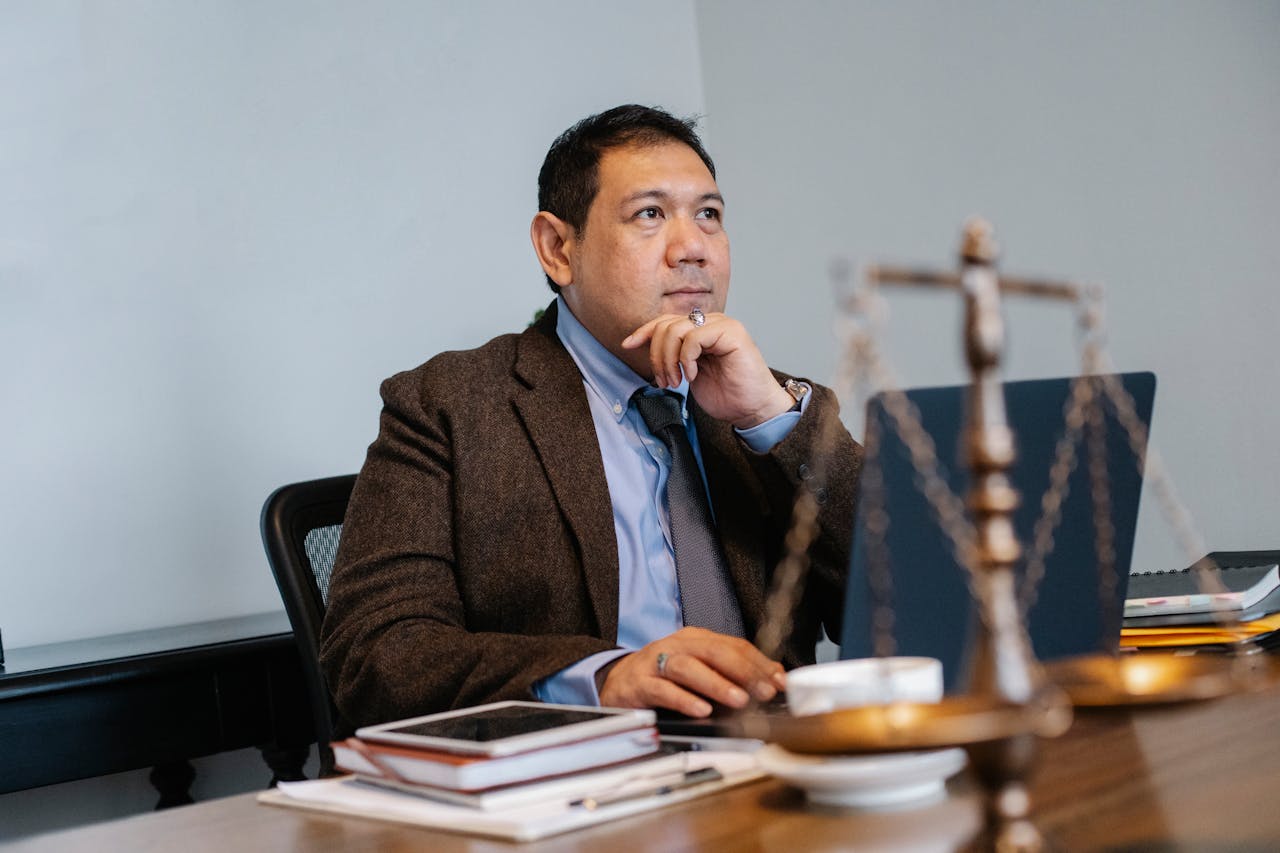
The relationship between attorneys and expert witnesses really does form the backbone of successful trial preparation. It’s worth recognizing that both parties play distinct yet complementary roles within the legal system, and their professional responsibilities extend well beyond simply winning a case, they’re actually upholding the integrity of justice itself. Attorneys advocate for their clients, while expert witnesses need to maintain objectivity and provide unbiased testimony rooted firmly in their specialized knowledge and the case facts. This fundamental distinction shapes every interaction during trial prep and requires establishing clear boundaries right from the start.
Table of Contents
Comprehensive Case Analysis and Evidence Review
Thorough preparation demands that experts conduct an exhaustive review of all relevant case materials, documentation, and physical evidence well before trial proceedings actually begin. Depending on the case nature, this process typically involves examining medical records, technical specifications, financial statements, accident reports, or other specialized materials. Experts need to approach this review with a genuinely critical eye, identifying both strengths and weaknesses in the available evidence while maintaining objectivity about their findings. Meanwhile, attorneys must provide complete and timely access to all relevant materials, giving experts sufficient time to conduct proper analysis without being rushed into premature conclusions.
Effective Communication Strategies Between Counsel and Experts
The quality and clarity of communication between attorneys and their expert witnesses throughout the pretrial phase heavily influences trial outcomes. Attorneys must clearly articulate the legal theories underlying their case strategy, helping experts understand how their testimony fits within the broader narrative without improperly influencing their professional opinions. Regular meetings should focus on identifying complex technical concepts that need simplification for jury comprehension, while ensuring that this simplification doesn’t distort the underlying scientific or technical principles. Experts should feel genuinely empowered to challenge assumptions or redirect legal strategies when their professional analysis suggests alternative approaches, this fosters a collaborative relationship built on mutual expertise rather than hierarchical authority.
Preparation for Deposition and Cross, Examination
The deposition process serves as a critical preview of trial testimony and demands meticulous preparation from both attorneys and experts to ensure consistent, credible, and defensible testimony. Experts must review all materials, refresh their memory on key details, and practice articulating complex concepts in accessible language that maintains technical accuracy. Attorneys should conduct mock depositions that simulate aggressive cross-examination tactics, which helps experts develop the composure and confidence they’ll need when facing challenging questions. Understanding common impeachment strategies allows experts to avoid typical pitfalls, like overreaching beyond their expertise, making absolute statements that invite contradiction, or appearing defensive when their methodologies get questioned.
Managing Conflicts and Maintaining Independence
Expert witnesses must maintain absolute independence in their professional opinions, avoiding any appearance of advocacy that could undermine their credibility or create ethical complications. This independence requires experts to decline cases where they have personal relationships, financial interests, or prior professional commitments that could reasonably be perceived as creating bias. Attorneys have an affirmative duty to thoroughly vet potential experts for any circumstances that might compromise their objectivity or create grounds for disqualification.
When evaluating potential conflicts, professionals who need to navigate expert witness conflict of interest situations must establish clear protocols that protect the integrity of testimony. The pretrial period often reveals unexpected connections or circumstances that require immediate disclosure and careful evaluation of whether an expert can continue with the case. Both parties must understand that concealing potential issues serves no one’s interests and inevitably causes greater problems when discovered during trial. Clear protocols for identifying and disclosing potential concerns help prevent last-minute crises that can completely derail trial strategies. Regular check-ins throughout the pretrial process ensure that no new circumstances have arisen that might affect the expert’s ability to provide impartial testimony, protecting both the integrity of the case and the professional reputations of everyone involved.
Financial Arrangements and Compensation Transparency
The financial relationship between attorneys and experts requires careful structuring to avoid any appearance that testimony can be purchased or that compensation hinges on case outcomes. Expert fees should be based on time and effort expended rather than the results achieved, with clear written agreements established before substantive work even begins. Transparency regarding compensation rates, billing practices, and total amounts paid becomes absolutely crucial during cross-examination, where opposing counsel will inevitably probe for any suggestion of financial bias. Experts must maintain detailed time records and be prepared to justify their rates based on their qualifications, experience, and the prevailing market for their specialized services.
Conclusion
The pretrial phase represents a critical period where attorneys and experts must establish the foundation for credible, effective testimony that can withstand scrutiny and contribute to just outcomes. Success requires mutual understanding of professional responsibilities, comprehensive case preparation, clear communication protocols, and unwavering commitment to ethical standards. Both parties must approach this collaboration with respect for each other’s expertise while maintaining appropriate professional boundaries that preserve the expert’s independence and objectivity. By addressing potential issues proactively, maintaining transparent financial arrangements, and preparing thoroughly for all aspects of testimony, attorneys and experts position themselves to serve the legal system effectively while protecting their professional reputations and advancing the interests of justice.
