


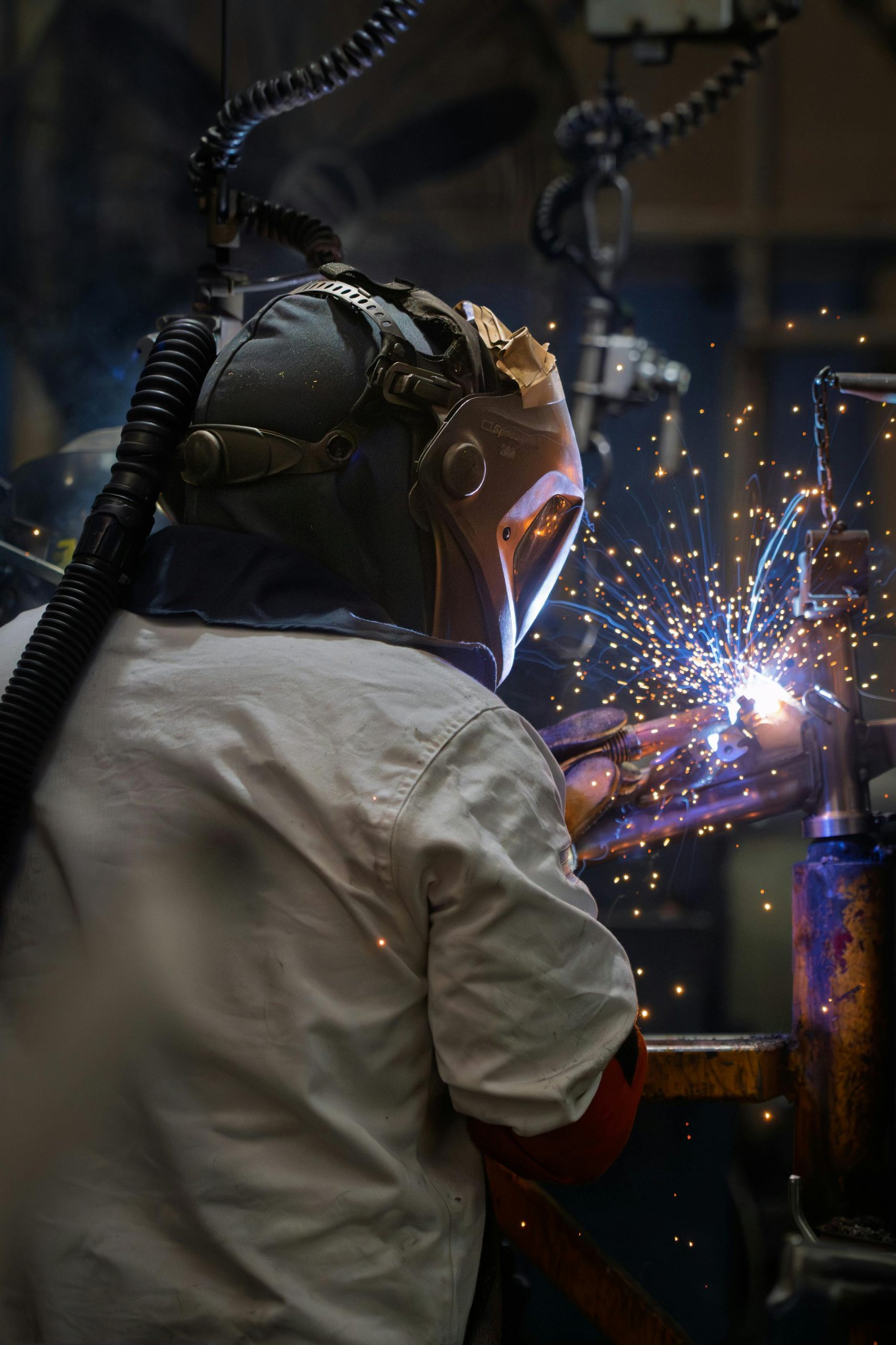
Metal fabrication is at the center of innovation in sectors where strength, design, and accuracy are paramount. In architectural structures, as well as in complex objects of the machine, to turn raw metal into functional and dependable objects, this art combines technology, skills, and art. What distinguishes expert fabrication is not only the capacity to form and cut, but also the accuracy that makes every project better, so that it has stability and functionality.
Table of Contents
The Foundation of Precision
The process of professional faking starts with proper planning. Projects are based on blueprints and digital models, which convert ideas to practical designs before a single cut is made. These preliminary measures will dictate the efficiency of the material in terms of use and the performance of the final product under stress. Precision in this case is not merely finding the correct measurements, but it involves a harmonizing of the design objectives with the reality of practice. All angles, joints, and dimensions have to be taken into account to ensure the structure works as planned. Accurate planning also reduces waste, which is a key aspect of reducing both costs and sustainability.
The Role of Technology in Modern Fabrication
Even though craftsmanship is still needed, technology has transformed the way fabrication shops are operated. A design can be copied with the highest precision on several occasions. In the case of certain industries, with the aerospace industry, construction, and the manufacturing of medical devices, this degree of precision is not negotiable. It is also possible to be more creative using technology, which has made more complicated designs possible that were too labor and risk-intensive years ago to consider trying.
Substance and its Impact.
Not every metal does not react in equal ways to being worked, cut, or welded. Aluminum is one such material; it is lightweight and does not corrode but has to be worked under special conditions not to warp. Stainless steel is difficult, but it requires more delicacy to retain its appearance. Knowing such peculiarities is one of the characteristics of professional fabrication. Expert fabricators use the available material to suit their techniques, and every project will serve the purpose. In this case, accuracy is linked directly to knowledge–understanding how a substance will act in this or that situation and using the appropriate methods to make it show its best side. It is this flexibility that makes metal structures have a long-life span and good performance.
Individualization With Knowledge.
Each project is associated with its demands. A hospital facility might require sterile, easy easy-to-clean equipment. An office environment today may require smooth architectural designs that combine functionality and beauty. At this point, customization is involved. Technical expertise is combined with innovative thinking in expert shops that provide custom metal fabrication services to customize output to the customer’s needs. Customization is not improvisation; the process is to apply more specific techniques to produce results that perfectly match the project objectives. Bespoke furniture to an industrial framework, custom production guarantees that each and every project is not handled in the same way, but all of them are produced to a specific standard.
Accuracy as the Measure of Confidence.
In addition to the technicalities of it, accuracy in making is also regarding trustworthiness. When the clients put money in the fake products, they trust the process. A joint that is not in place or a surface that is not even might jeopardize the integrity of a whole building. Conversely, precise cuts, precision of measurements, and trustworthy assembly lead to confidence. Accuracy generates confidence between the producer and the consumer, as well as the completed product and the individuals who rely on it day-to-day.
Conclusion:
Accuracy in all phases, design, and implementation means that whatever comes out will not merely exceed expectations but will raise the performance and reliability standards. Accuracy is an added value in any project, and with the proper expertise and tools, the project will have a stronger value and will be more durable. Eventually, accuracy in production is not merely a technical accomplishment but a basis of confidence, innovation, and development in industries.
