


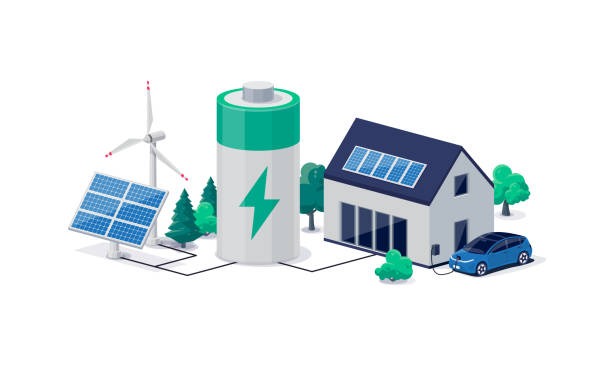
As electricity bills rise and environmental awareness grows, more homeowners are turning to solar energy systems paired with lithium batteries. This combination not only offers an eco-friendly alternative to traditional power sources but also provides reliable energy during outages or grid failures. Whether you live in a remote area or an urban neighborhood, installing solar panels with lithium battery storage can transform the way you power your home. In this guide, we’ll explore how you can efficiently run household appliances using solar energy and lithium battery backup.
Table of Contents
Understanding the Basics: How Solar and Lithium Batteries Work Together
Direct current (DC) electricity is created by solar panels using sunlight. This DC power is then converted into alternating current (AC) using an inverter, which is what your home appliances require. However, solar energy production varies throughout the day and is unavailable at night. That’s where lithium batteries come into play. These batteries store excess solar energy generated during the day so you can use it when sunlight isn’t available.
Unlike lead-acid batteries, lithium batteries are lightweight, have a longer lifespan, require minimal maintenance, and can discharge deeper without damaging the battery. These qualities make them ideal for residential use.
Choosing the Right System Size for Your Needs
To successfully run appliances on solar and lithium battery systems, you need to calculate your power consumption. Start by listing all essential appliances such as refrigerators, washing machines, televisions, fans, lights, computers, and air conditioners. Note their wattage and daily usage hours.
Let’s say your refrigerator consumes 150 watts and runs for 10 hours a day. That equals 1500 watt-hours (Wh) or 1.5 kilowatt-hours (kWh). Add the energy consumption of all other appliances to determine your total daily usage. This total will guide you in choosing the correct solar panel capacity and battery storage size.
A 5kW solar panel system paired with a 10kWh lithium battery is generally sufficient for an average Indian household. However, if you use high-power appliances like geysers or multiple air conditioners, you may need a larger setup.
Running Appliances Efficiently
While solar panels and lithium batteries can handle most of your household load, efficient energy usage is still important. Here are some tips to make the most of your system:
- Use Energy-Efficient Appliances: Choose appliances with high energy star ratings. Inverters, LED bulbs, and front-load washing machines are generally more energy efficient.
- Time Your Appliance Usage: Run heavy appliances like washing machines or dishwashers during peak sunlight hours (usually 10 a.m. to 4 p.m.) to utilize direct solar power and reduce battery load.
- Monitor Your Consumption: Use energy monitors to track your consumption in real-time. This helps you adjust usage patterns and identify wasteful habits.
- Regular Maintenance: Ensure solar panels are clean and free of dust or debris to maintain efficiency. Periodically check battery health using monitoring apps or built-in systems.
- Install Smart Home Controllers: These can automate and optimize your power usage by scheduling appliance operations based on energy availability.
The Role of the Best Solar Battery
Selecting the right battery is crucial for your system’s performance. The Best Solar Battery for homeowners typically offers high round-trip efficiency (above 90%), fast charging capabilities, long cycle life, and robust safety features. Brands offering lithium iron phosphate (LiFePO₄) technology are generally preferred due to better thermal stability and lifespan.
Make sure your battery has enough storage capacity to meet your nighttime or cloudy day energy needs. A battery with 5kWh to 10kWh capacity is a good starting point, but always align the size with your actual energy use and future expansion plans.
Backup Power and Off-Grid Reliability
One of the biggest advantages of having a lithium battery with your solar setup is the ability to operate independently of the grid. During power outages, your stored solar energy automatically powers your home, ensuring that essential appliances like fans, lights, internet routers, and medical devices continue to run without interruption.
For fully off-grid living or frequent outages, consider installing an automatic transfer switch (ATS) to switch seamlessly between solar, battery, and generator if needed. This makes your home completely self-reliant and secure from energy interruptions.
Final Thoughts
Running your home on solar power with lithium battery storage is not just a trend but a smart investment in long-term sustainability and independence. It reduces your electricity bill, supports environmental goals, and protects you from grid instability. With careful planning, the right equipment, and efficient usage, homeowners can enjoy uninterrupted, clean energy 24/7.
If you’re planning to make the shift, consult with a certified solar installer to conduct an energy audit and customize a solution that fits your lifestyle and budget.
